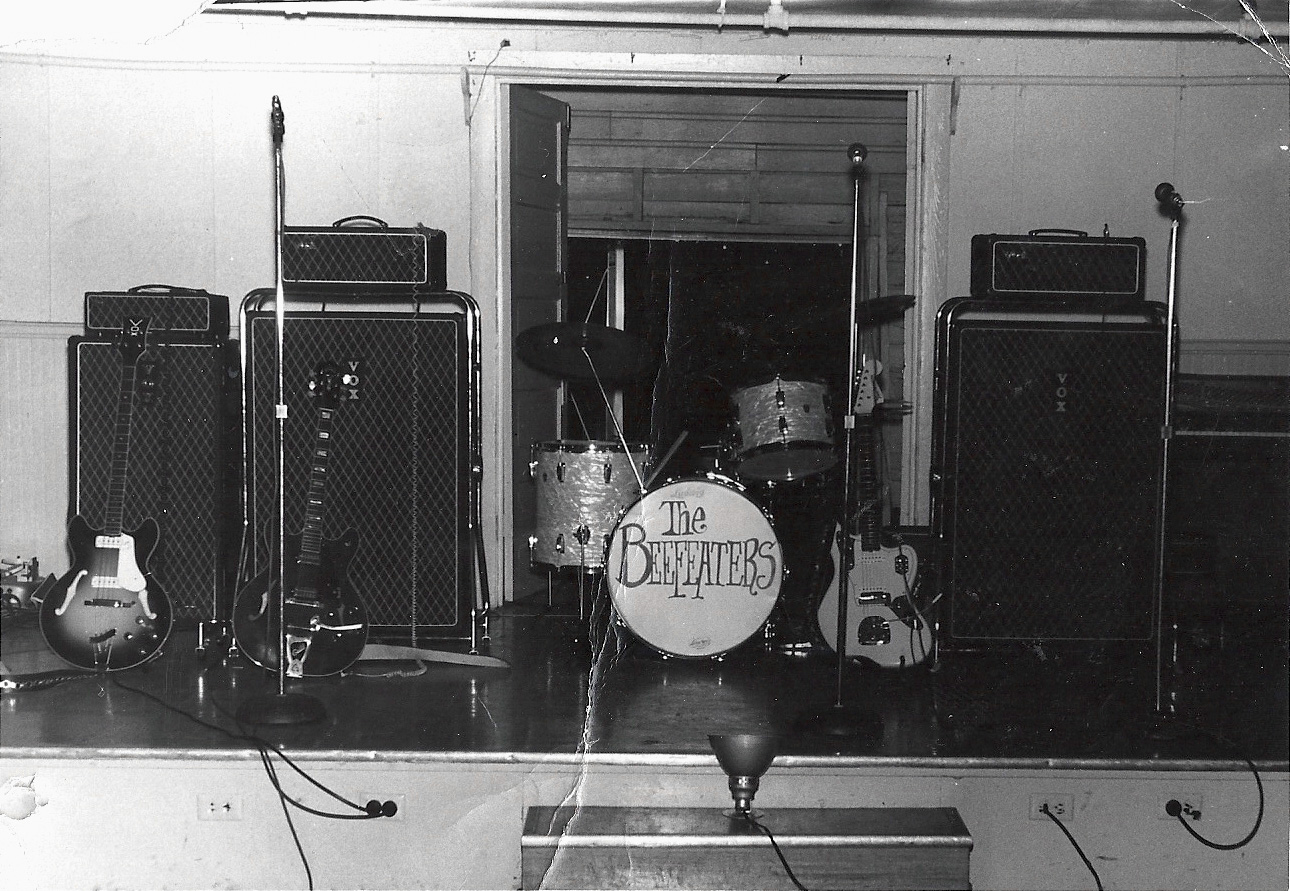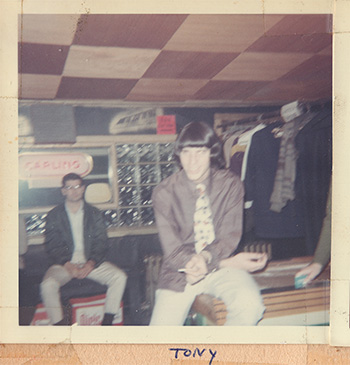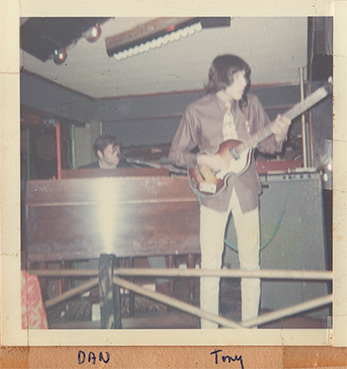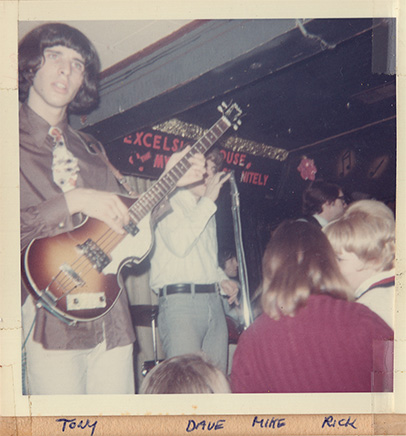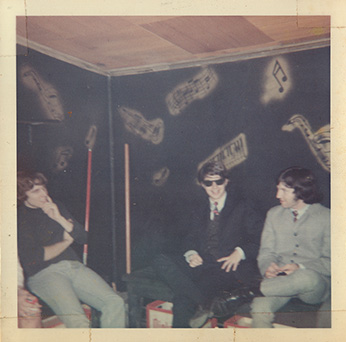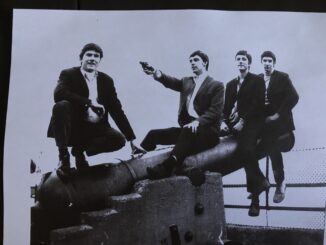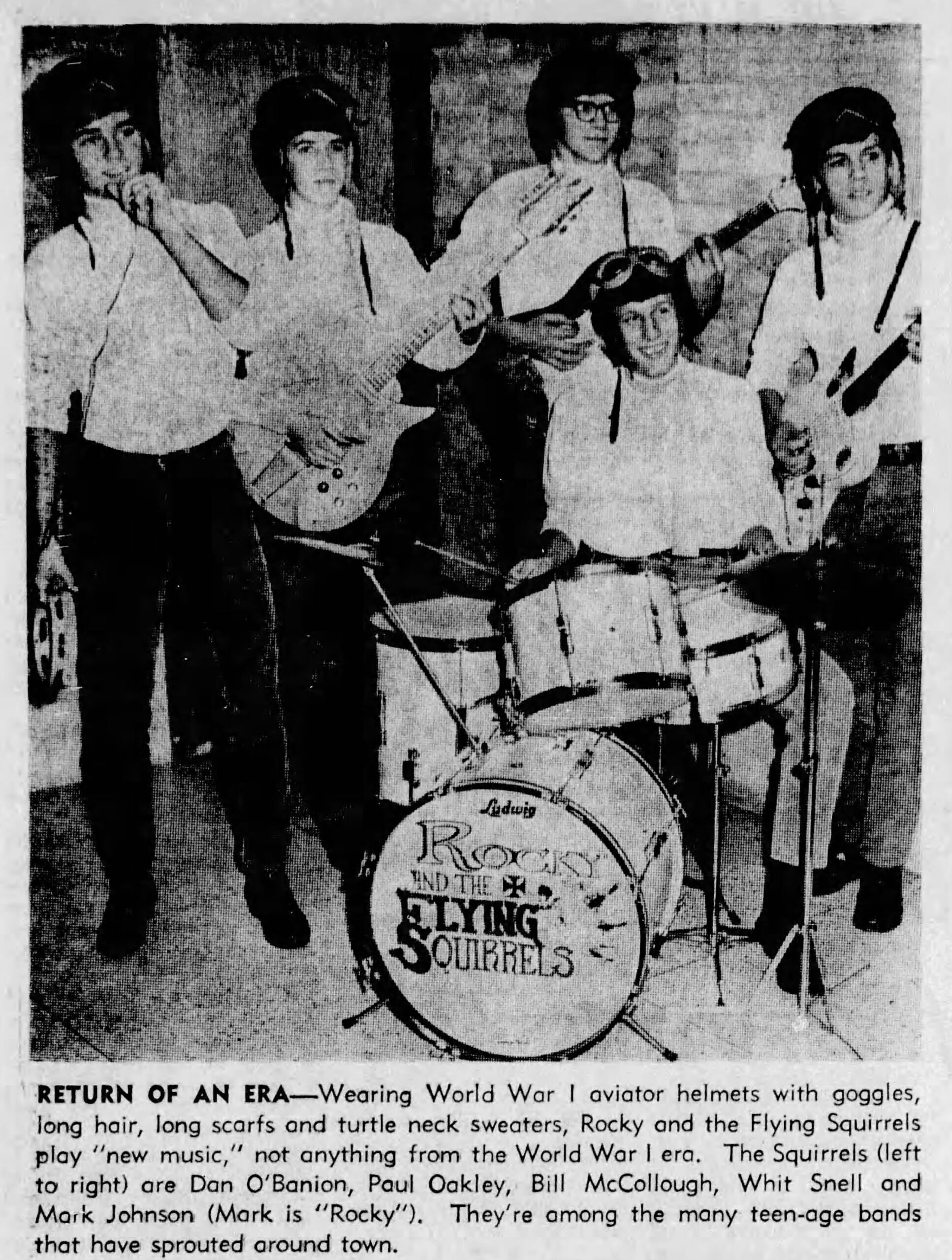
The Beefeaters were part of the North Texas State University (NTSU) scene which included the Chessmen, but their story starts out 300 miles away, in San Antonio. Five students at Alamo Heights High School formed Rocky and the Flying Squirrels, wearing World War I aviator helmets and goggles, scarves, and turtle-neck sweaters in honor of their animated namesake.
Members included: Mark Johnson on lead vocals, Whit Snell lead guitar, Dan O’Banion rhythm guitar, Paul Oakley on bass, and Bill McCullough playing drums.
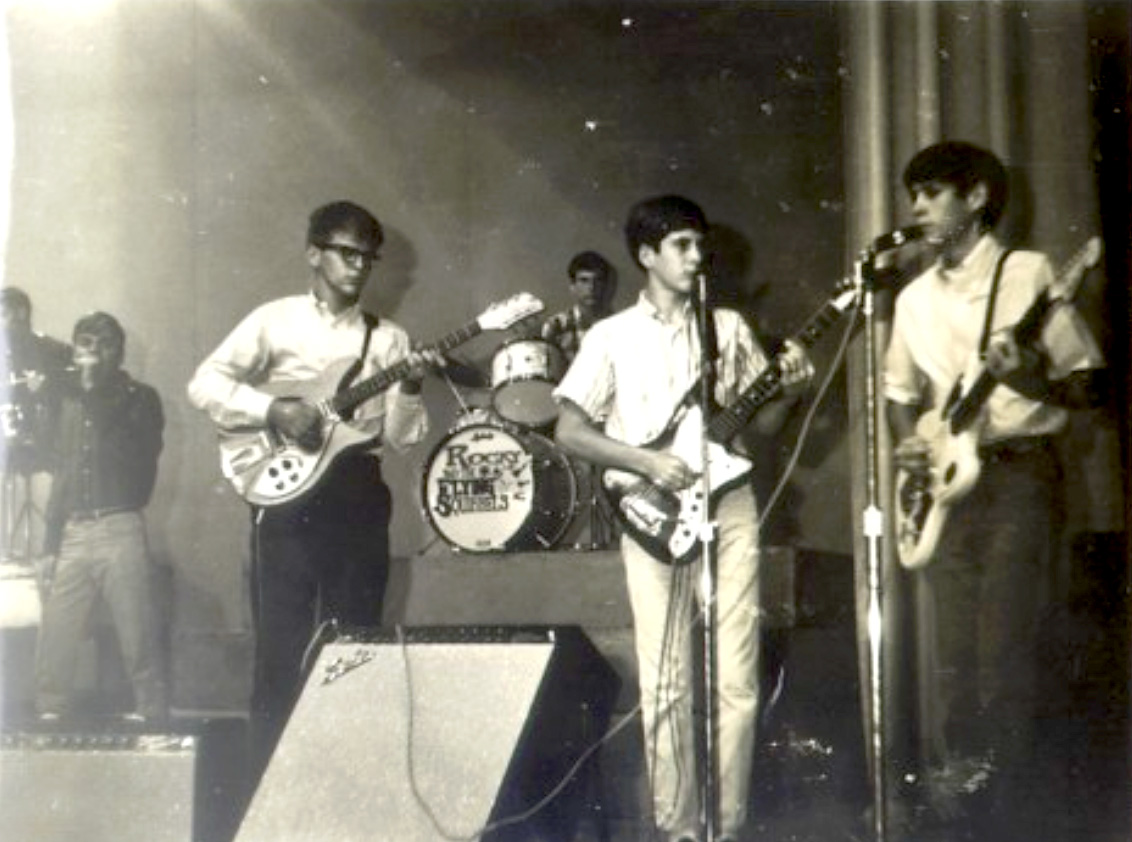
They played live at Alamo Heights High School auditorium and the student-run Mule Barn teen club by the football stadium, but the band made plans for a bigger future.
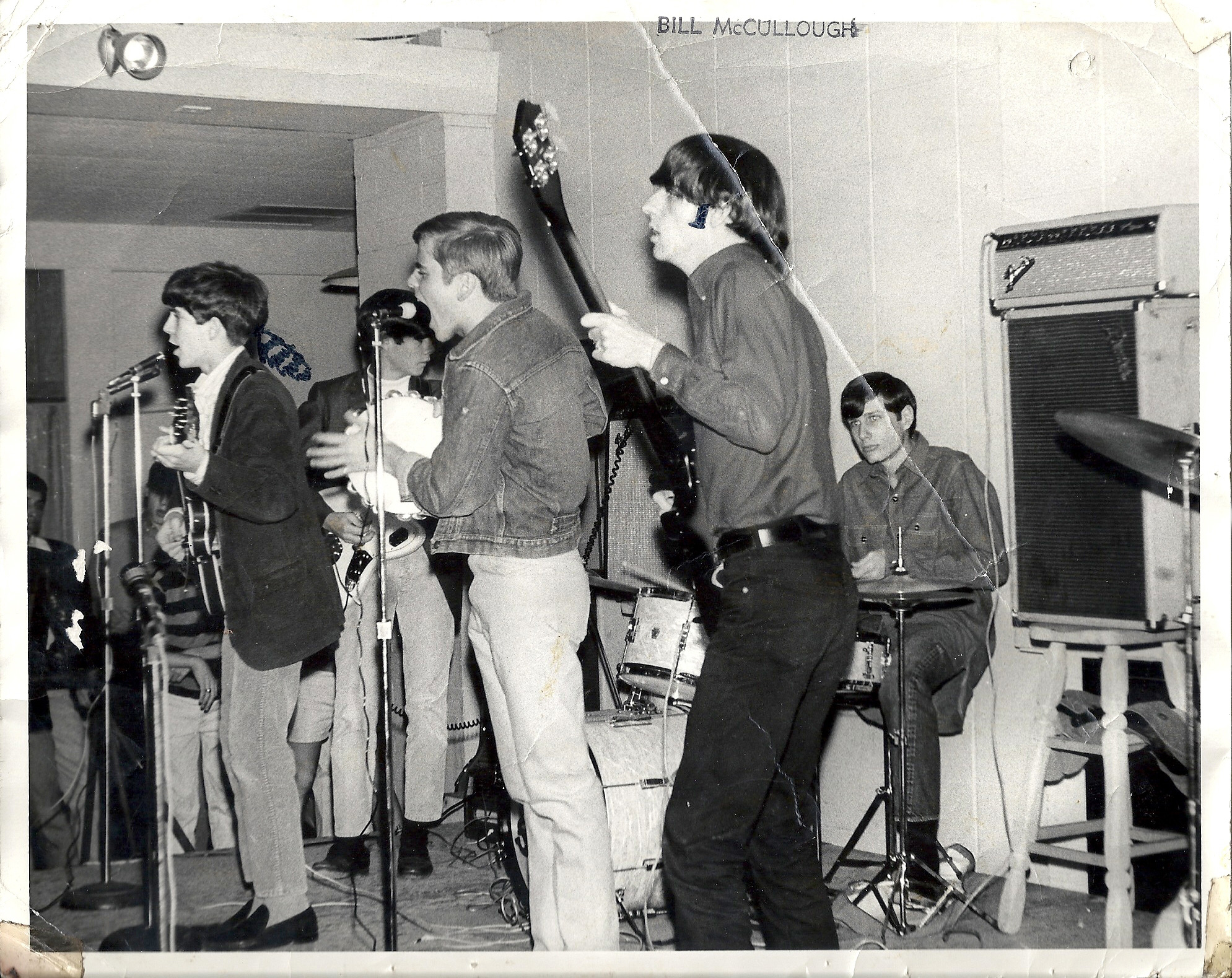
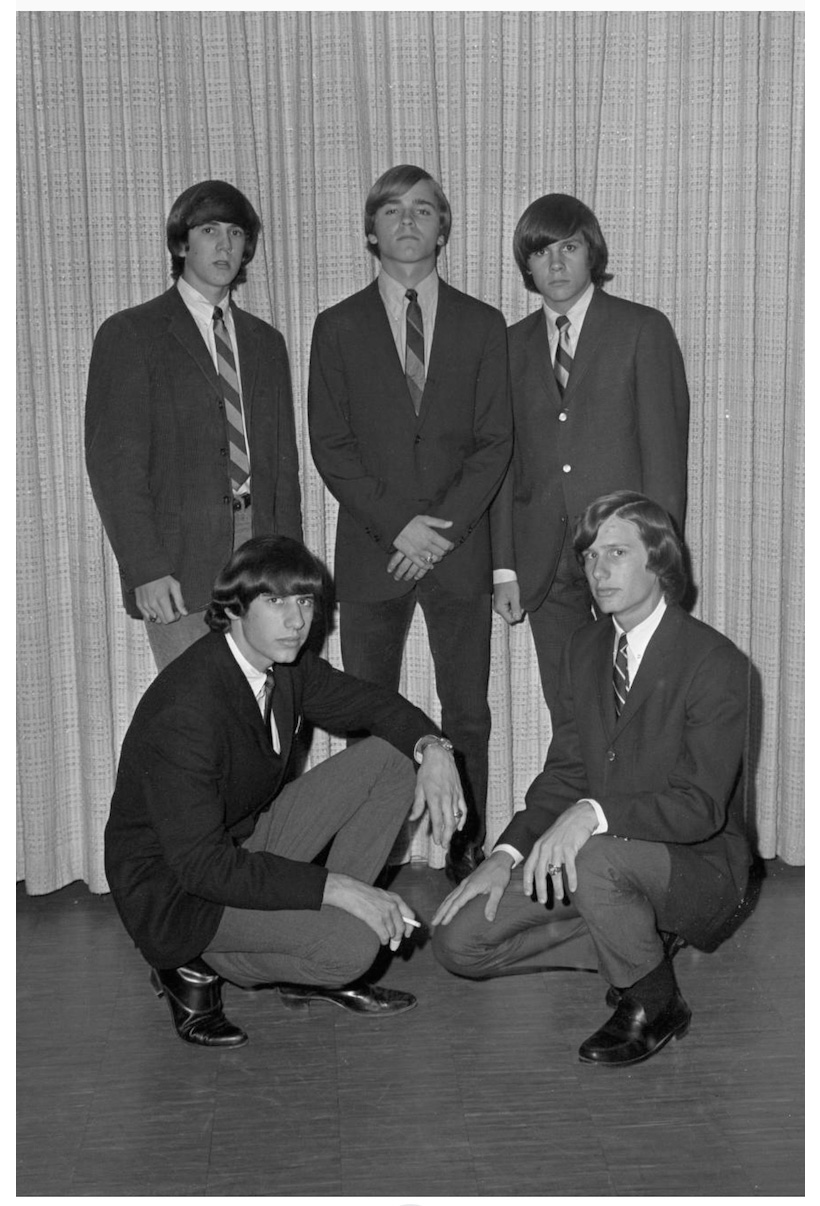
From the Flying Squirrels to the Beefeaters
Graduating in May, 1966, all except Paul Oakley agreed to attend NTSU (now the University of North Texas) in Denton, northwest of Dallas. Bill McCullough’s older brother David, Jr. took over on bass to replace Paul. David had been guitarist in his own group in San Antonio, Spider and the Flies.
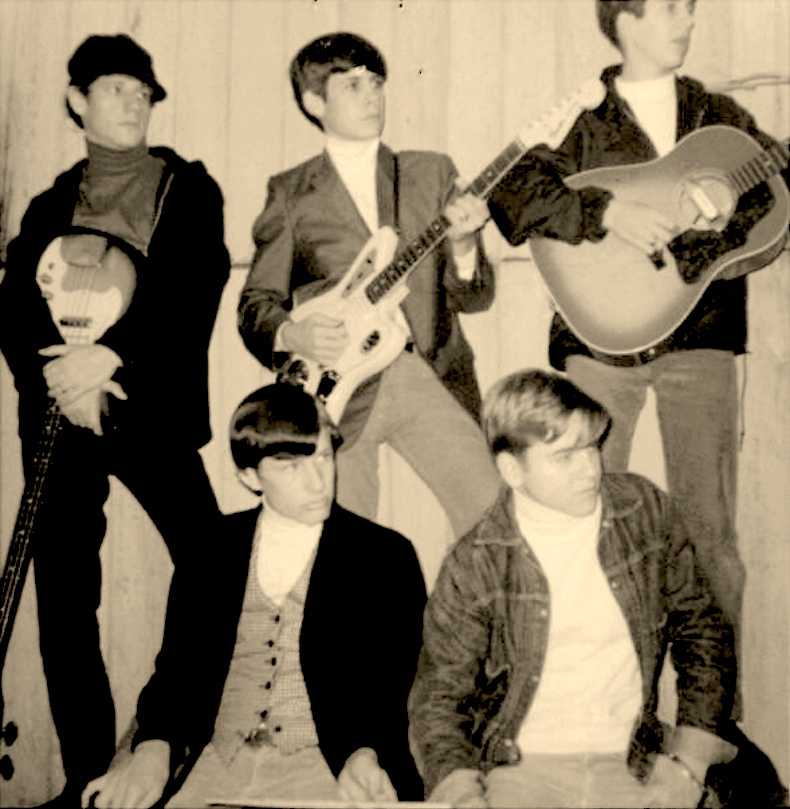
They cultivated the sound and “mod” looks of the English groups of the period, and took a new band moniker to fit the image: the Beefeaters.
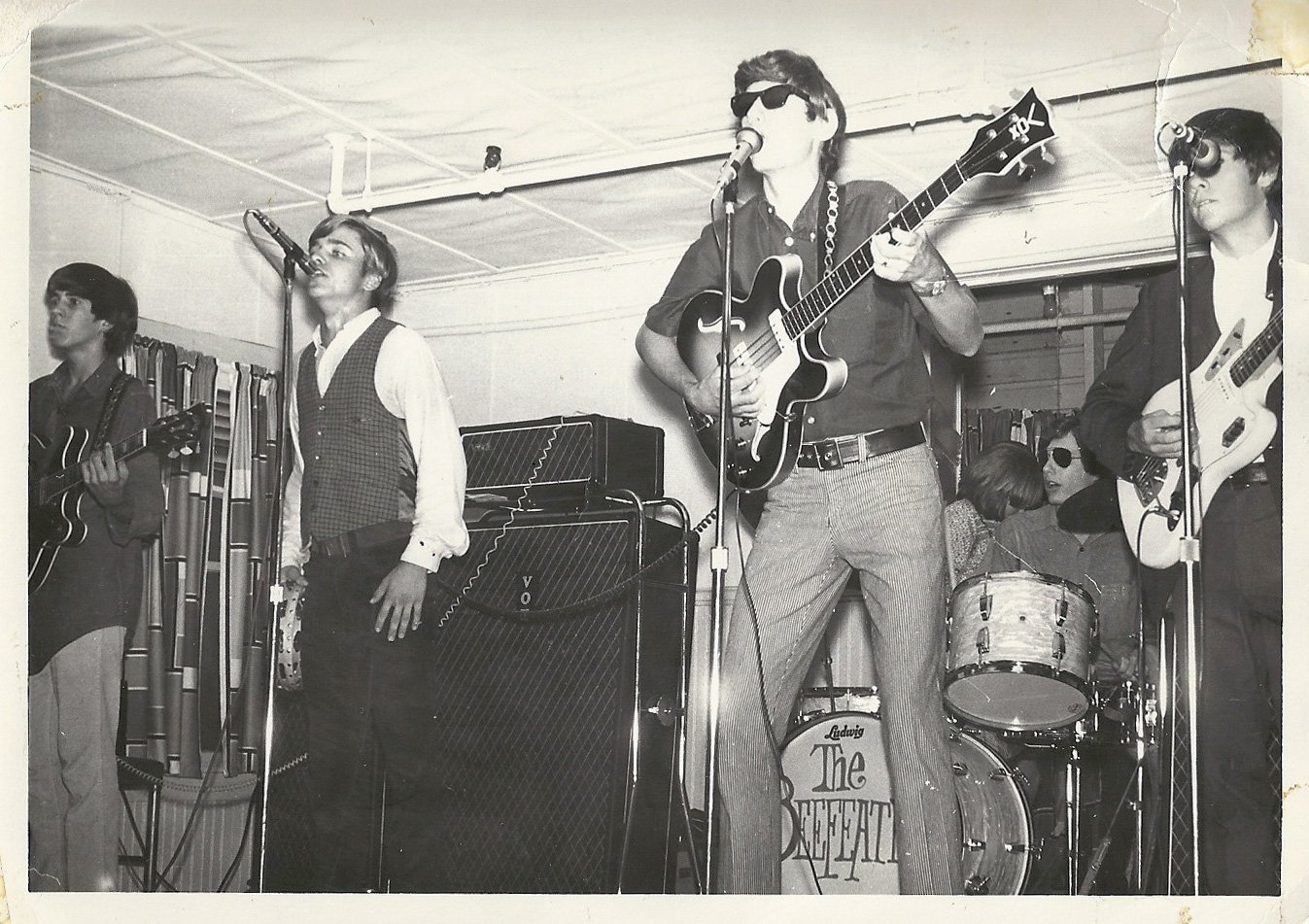
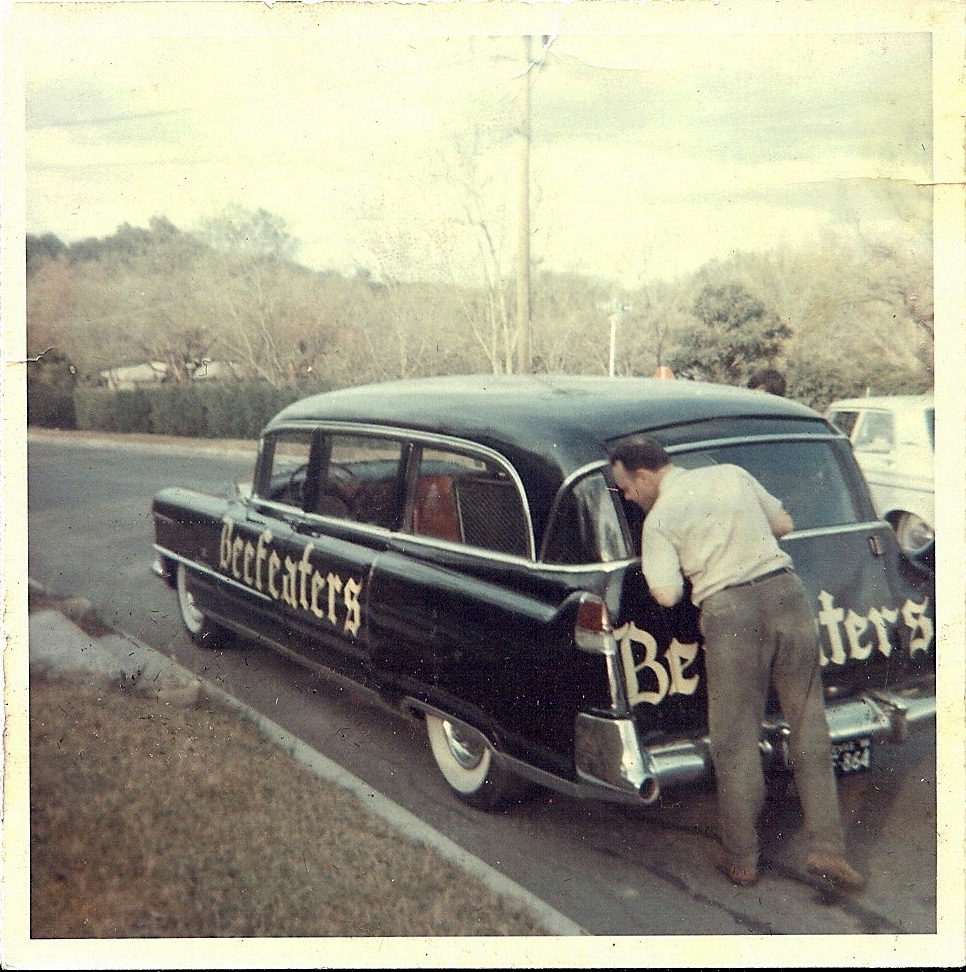
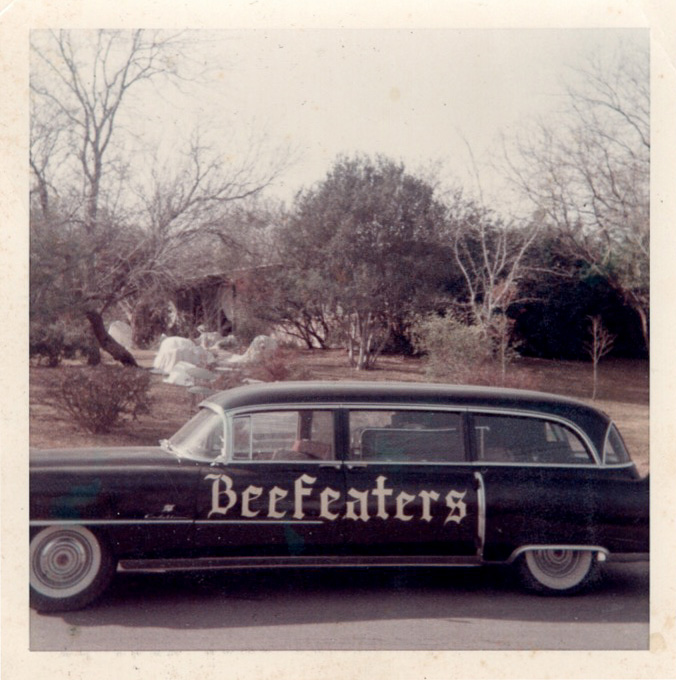
The Beefeaters’ first gig, on a flatbed truck on the commons by the NTSU student union, was a success and they started landing regular bookings at the Spinning Wheels skating rink and local frat parties. They bought a used ’56 Cadillac hearse, like other Denton groups, and adorned it with their band name and bumper stickers (“Eat More Beef” for one).
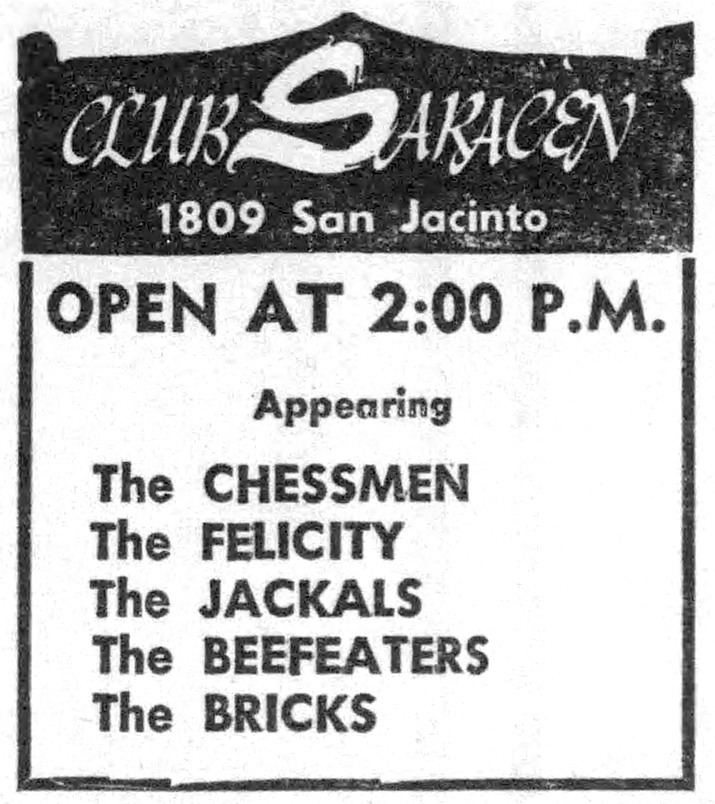
Within a short time, the manager of the Campus Theatre, George Rickrich, brought the Beefeaters into his Bismark Agency, which also represented the Briks, the Chessmen, Felicity, and the Jackals. Rickrich booked the bands for college parties throughout Texas and into Oklahoma, and clubs: including Louann’s, the Three Thieves, and the Cellar in Dallas; the Box in Ft. Worth; Club Saracen, the New Orleans Club, and the Jade Room in Austin where they also shopped for clothes at the Electric Rocking Horse.
 The Beefeaters provided entertainment on a day-long chartered train, the Santa Fe Big Chief, for a football game at Wichita State U. in Kansas. The Campus Chat covered the journey:
… North Texas won the game … the dance bands played well despite their precarious perch in a bucking, 9- by 70-foot baggage car, and the legal age for buying beer in Kansas is 18 …
The New Sound plugged in to one of the three baggage cars around 9 and, after 30 minutes of blow switches, was in full swing … Dancers, about 50 at a time, battled flailing elbows and a lurching floor in the cramped car …
… the Beefeaters struck up, and the dancers were once again making the most of their promised 20 hours of fun …
A promo sheet for the group lists Whitfield Snell, David McCullough as contact in Denton, and David Black in San Antonio.

Towards the end of 1966, the Beefeaters entered a studio in Dallas to cut two originals by Whit Snell, “Don’t Hurt Me” / “Change My Mind”. The lineup that recorded these was: Mark Johnson, Whit Snell, Dan O’Banion, David McCullough, Jr., and Bill McCullough. Whit remembers Lee Hardesty of the Briks accompanying the band to the studio, and lending Whit his Vox fuzz pedal for “Don’t Hurt Me” and 12-string guitar for the “Change My Mind”.
Though satisfied with the recording, Whit thought the songs were not good enough, which may have been one reason why they didn’t see release on the Bismark label at the time. Tapes of the songs have circulated since, and they’re widely regarded as classics of the ’60s Texas teen sound.
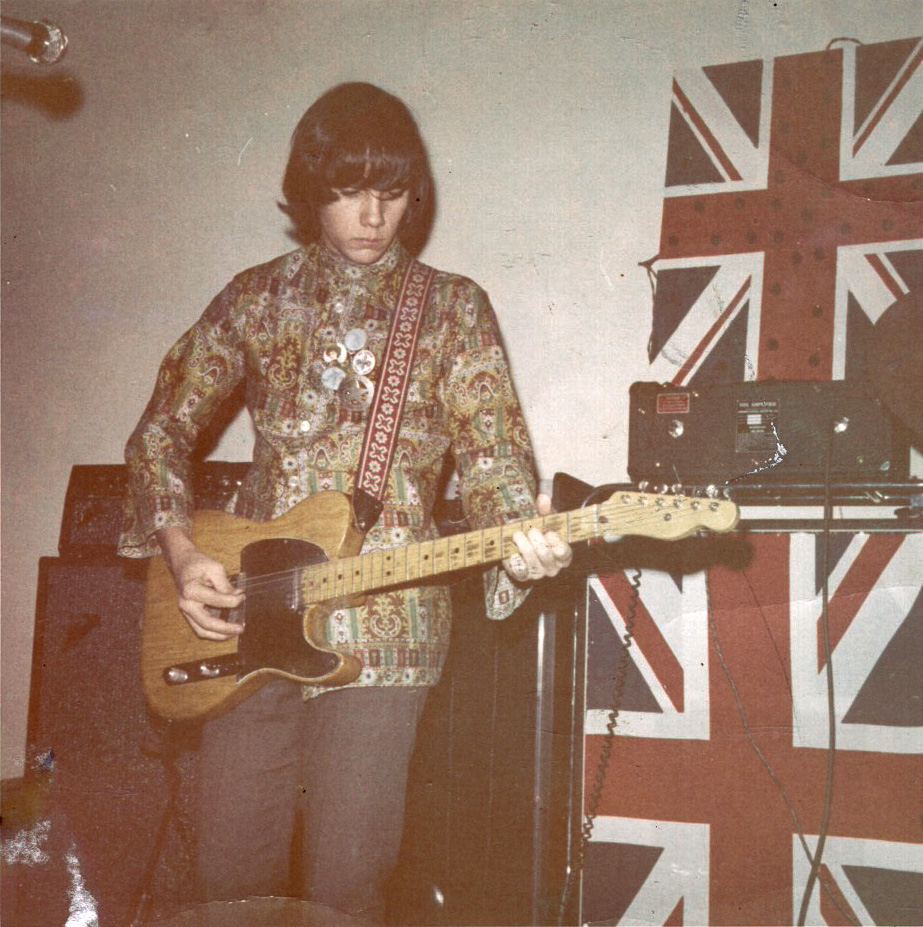
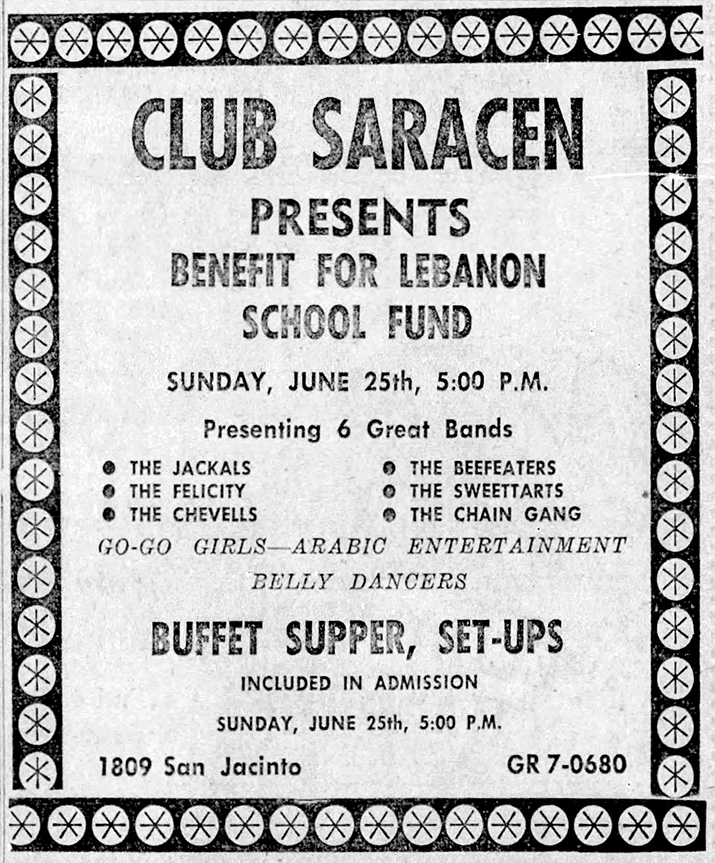
During the Christmas holiday in 1966, the Beefeaters returned to San Antonio to play the Pusi-Kat club from December 26-30 with Lord August. When the band went back to Denton in January 1967, Mark Johnson had left the band and school to travel abroad.
That same January, the Denton Record-Chronicle reported the Beefeaters hearse was stolen from the NTSU campus, and they lost $4,000 worth of amplifiers, drums and guitars. Funny enough, the first report said it was the Chessmen’s hearse, but the paper corrected the story a few days later, and a later follow-up said the instruments were recovered in Gainesville.
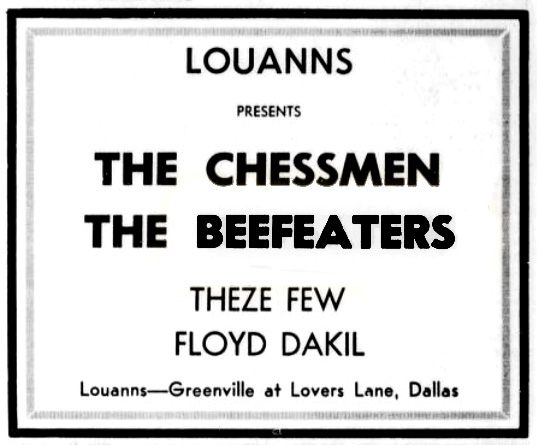 The 1967 and ’68 school years saw the Beefeaters expand the scope of their gig territory: as far north as Amarillo, Wichita Falls, and Oklahoma City, east to Houston, Galveston and Fort Smith, Arkansas, and south to Corpus Christi, and Matamoros, Mexico.
By the summer of ’68, Dan O’Banion and Whit Snell were living at the Eagle Apartments in Dallas near Don Henley and other former Denton musicians, a musically rewarding time.
The military draft pulled any band members who left college, including David McCullough, who joined the Navy, became a Corpsman, and was assigned to the Marines. During the war he was stationed in the Philippines and served on a hospital ship. Members of other groups, such as Cecil Cotton and Steve Martin of the Briks, and Mike Neal of the Jackals had already joined the reserves and returned to the scene.
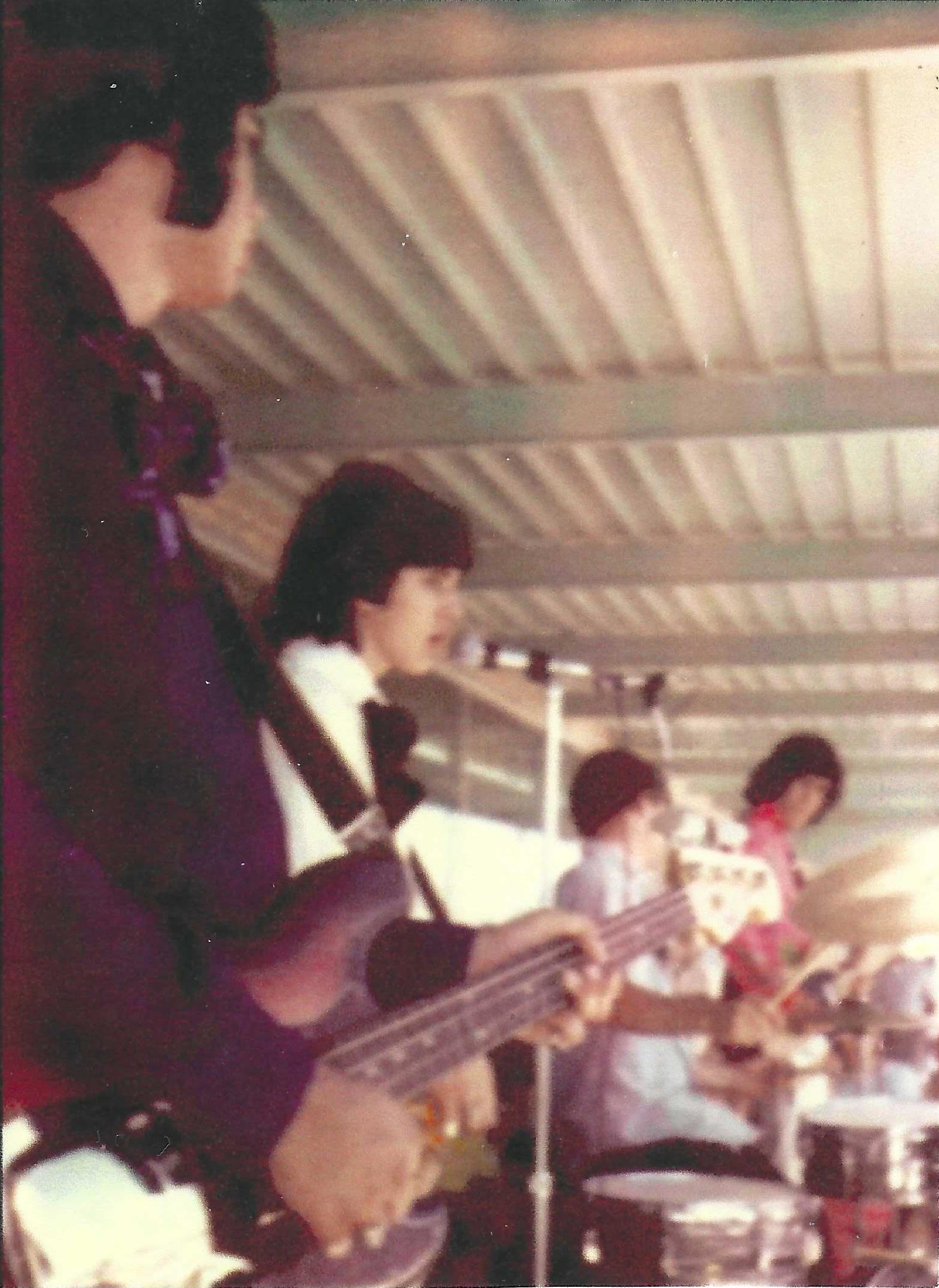

Because of the draft taking David, and Bill McCullough leaving at about the same time, the Beefeaters went through a rotating cast of Dallas and Denton musicians filling in for short periods, including Jimmie Randall (of the Gentlemen) on bass; Roger Brooks, then Doyle Bramhall (of the Chessmen) on drums; John Talley (of the Jackals) on keyboards; and Lee Hardesty on guitar.
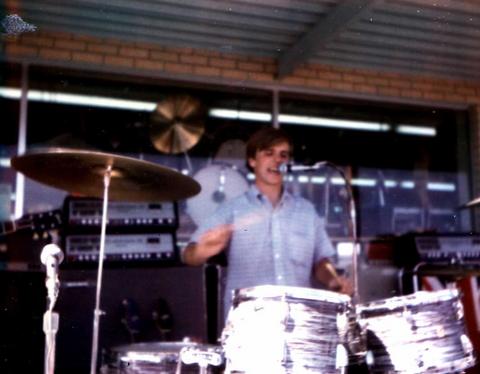
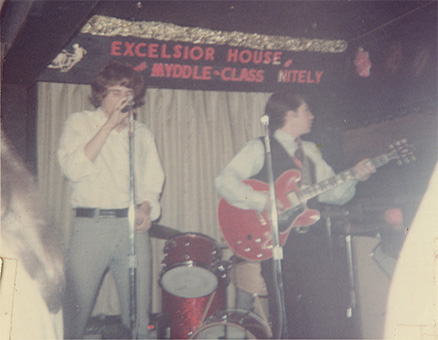
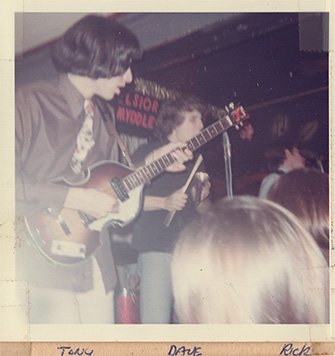
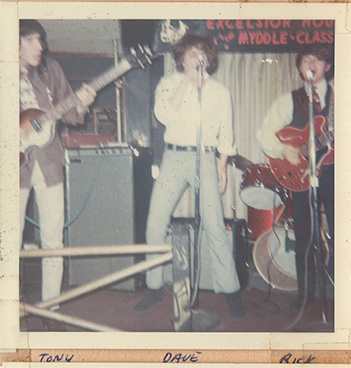
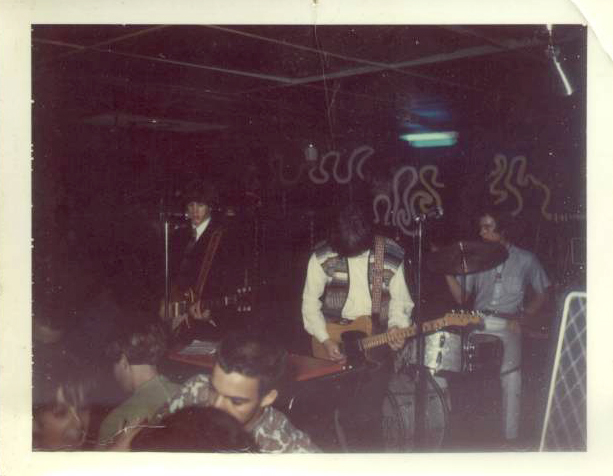
A series of photos taken onstage at Gibson’s Discount Center in Kerrville, TX show Jimmie Randall on bass and I believe Doyle Brahmall on drums.
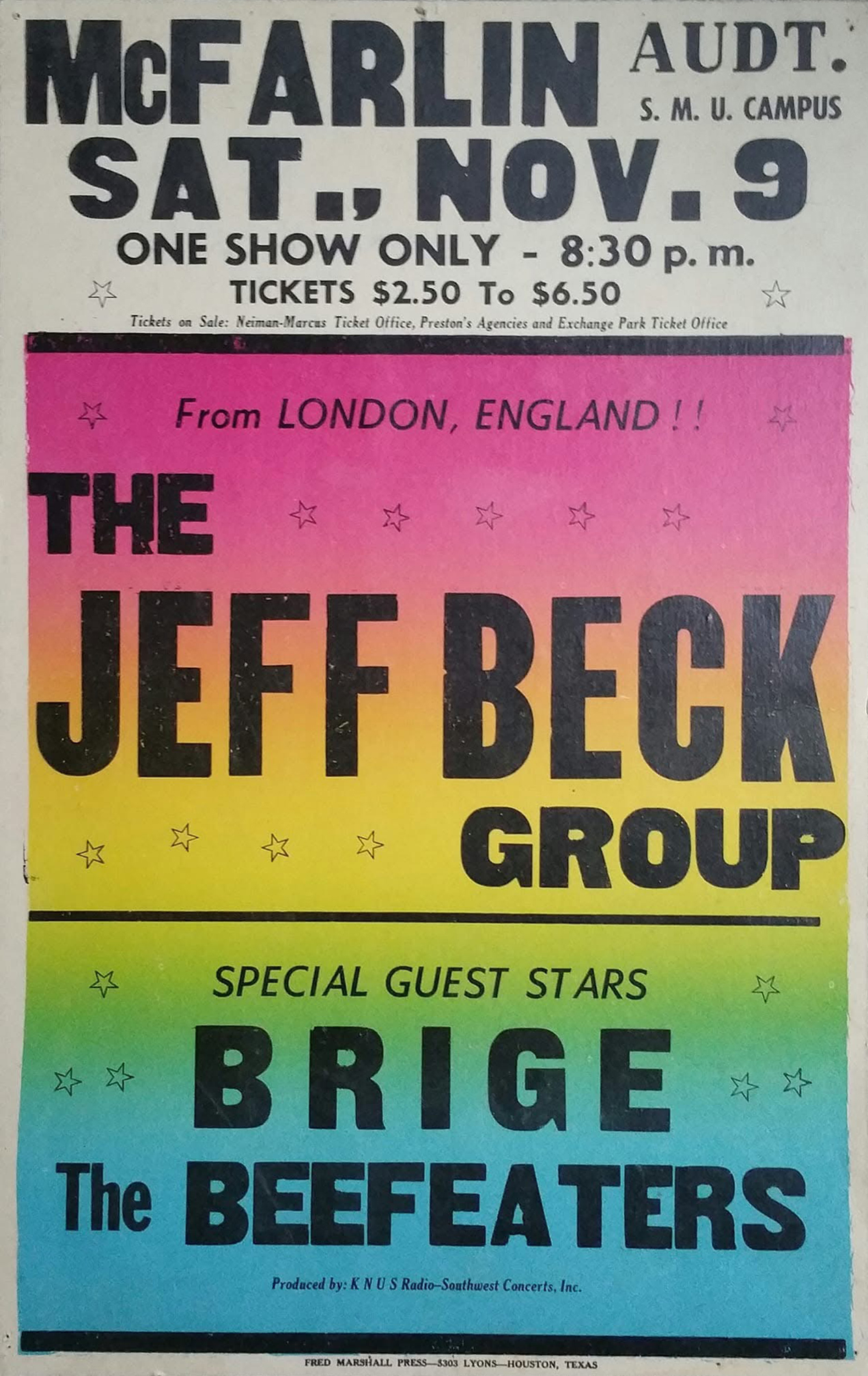
The Beefeaters played the Pusi-Kat in San Antonio frequently during the summer of ’68, as well as Love Street, and a show at the Teen Canteen in October, but their most notable gig was opening for the Jeff Beck Group at Southern Methodist University’s McFarlin Auditorium on Saturday, November 9, 1968. Whit recalls the Beefeaters also opened for the Jeff Beck Group in Oklahoma City on Sunday, November 10.
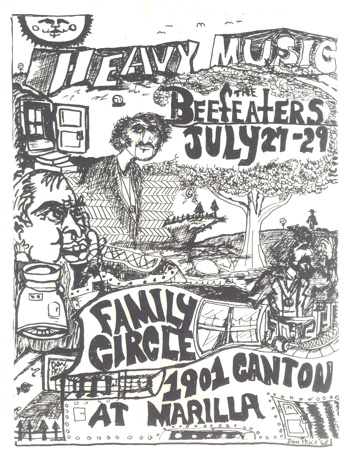
Whit Snell left the band and school in 1969, but various lineups continued gigging as the Beefeaters for another year or so.
Thank you to Whit Snell, Dan O’Banion, Bill McCullough, and Mark Johnson of the Beefeaters (RIP David McCullough); William Williams (Wm Wms) of the Jackals, Birdman Cantillo, Don Julio, Wm Wms and other contributors to the now defunct Big D ’60s yahoo group and Trinity River Music flickr group, and anyone else I’ve missed. Photos courtesy of Bill McCullough, Whit Snell and Wm Wms.

A shorter version of these notes accompany the new remastered 7″ release of “Don’t Hurt Me” / “Change My Mind” now available on Mojo-Bone Rekkids.
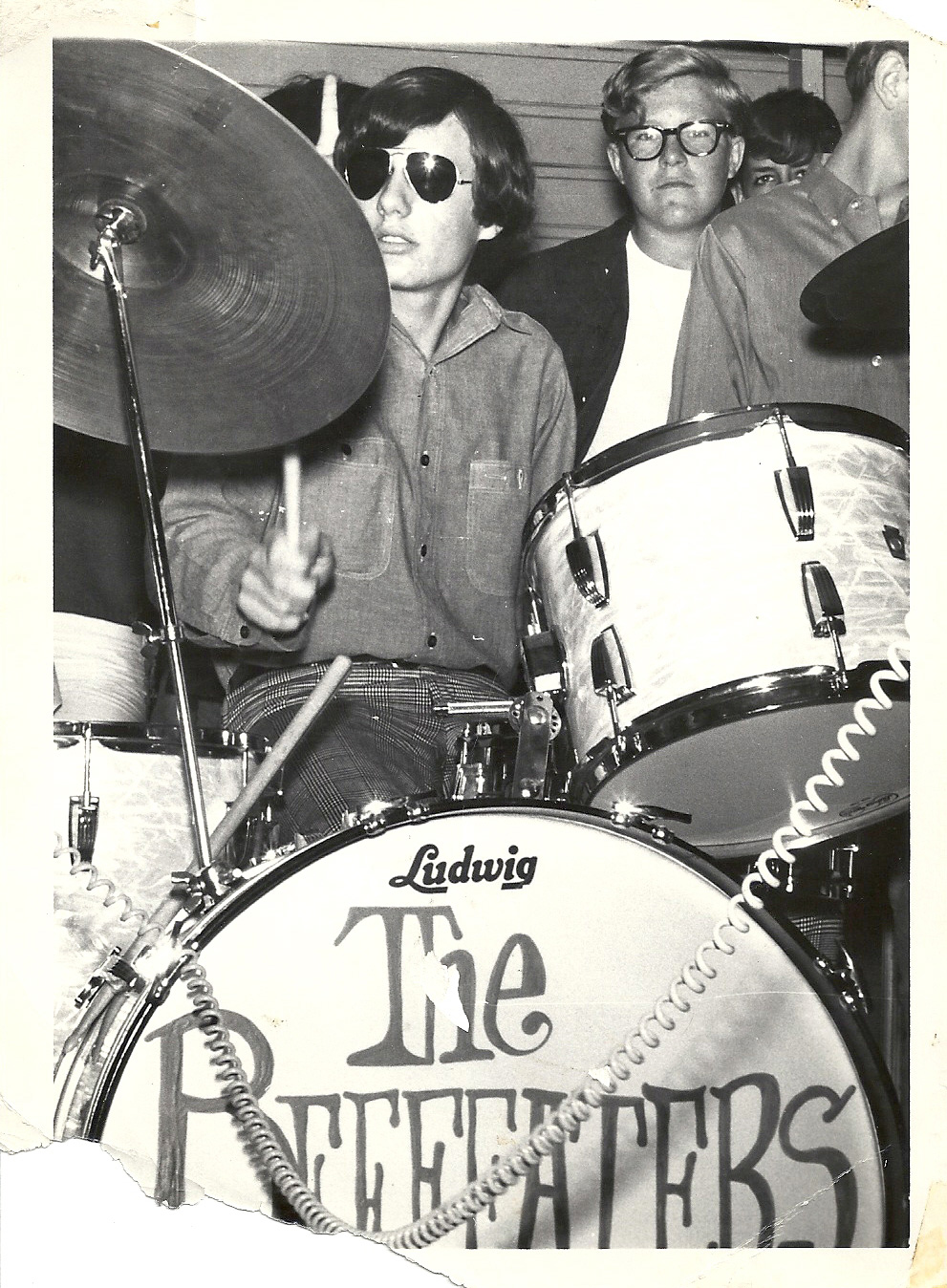
As always, I’d appreciate more info on the group, and help correcting any errors.